
Sustainable Packaging Solution:Recycled VS Compostable Materials Explained
2025-10-08
As consumers demand greater environmental responsibility, choosing the right sustainable packaging has become a business imperative.Confused about recyclable vs. compostable packaging? What's the real difference, and which is better for your brand and the planet?Discover the pros and cons of each and learn how the right packaging bag, like a kraft paper bag, can elevate your brand's sustainability.This guide cuts through the confusion, exploring how materials like the classic kraft paper bag fit into both frameworks to help you make an informed decision.
Part 1: Recyclable Packaging: The Circular Economy Champion
Recyclable packaging is designed to be collected, processed, and remade into new products. The goal is to create a "circular economy," keeping materials in use for as long as possible.
How it Works: Consumers dispose of the packaging bag in a recycling bin. It is then sorted, cleaned, and broken down into raw materials (like pulp for paper or pellets for plastic) to manufacture new items.
Common Examples:
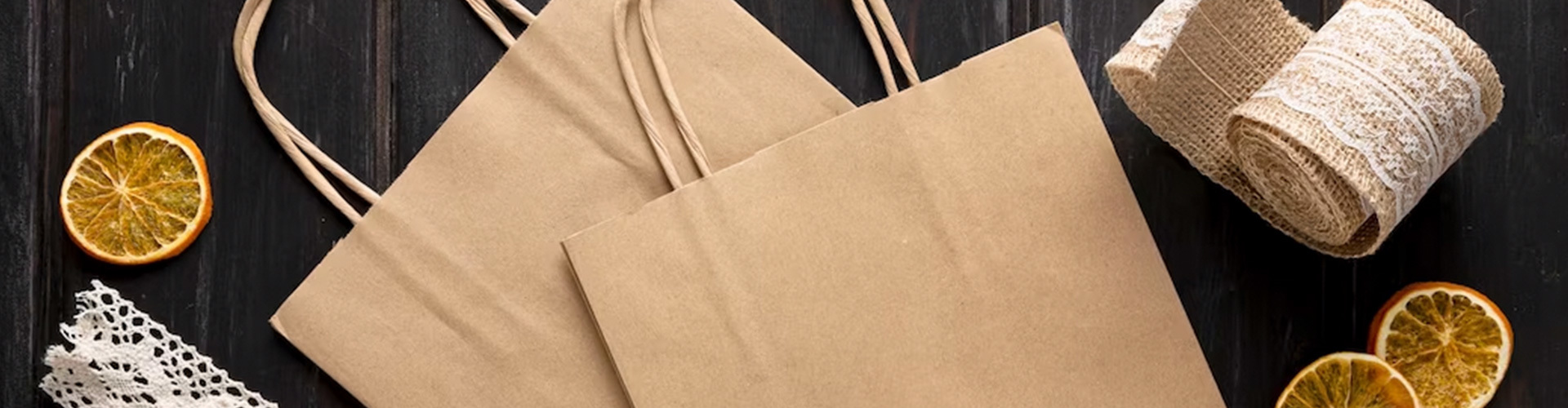
The Classic Kraft Paper Bag: A quintessential example. Most standard kraft paper bag products are widely recyclable in curbside paper streams, making them a safe and trusted choice.
Corrugated Cardboard Boxes
Certain Plastics (like PET #1 and HDPE #2)
Advantages:
Conserves Resources: Reduces the need for virgin materials, saving trees, water, and energy.
Established Infrastructure: In many regions, recycling systems are already in place, making it accessible for consumers.
Familiarity: Consumers generally understand the concept of recycling.
Part 2: Compostable Packaging: Returning to the Earth
Compostable packaging is designed to break down completely into non-toxic, nutrient-rich compost (humus) under specific conditions in a commercial composting facility.
How it Works: This packaging bag requires exposure to heat, moisture, and microorganisms in an industrial composter. The resulting compost can then be used to enrich soil.
Common Examples:
Compostable-Krafted Bags: Some kraft paper bag products are lined with compostable materials like PLA (a bioplastic from cornstarch) to make them grease-proof while still being compostable.
Bagasse (Sugarcane Pulp)
Molded Pulp
Advantages:
Waste Reduction: Diverts organic waste from landfills, where it would otherwise produce methane, a potent greenhouse gas.
Creates Value: The end product is compost, a valuable soil amendment.
Part 3: Making the Smart Choice for Your Brand
So, which one is the winner? The answer depends on your product and your customer.
Consider Your Product:
For dry goods, retail products, or items that won't soil the packaging, a recyclable kraft paper bag is often the most effective and straightforward choice.
For food service, fresh produce, or products that will heavily soil the packaging, a certified compostable packaging bag is the better environmental fit, if your local infrastructure supports it.
Know Your Customer:
How likely are they to properly dispose of the packaging? Provide clear and simple instructions on the bag itself (e.g., "Recycle with Paper" or "Compost in Commercial Facility").
The Best of Both Worlds:
A pure, uncoated kraft paper bag can often be both recyclable and home-compostable, making it one of the most versatile and low-impact choices available.
Conclusion: It's About the Right Fit
The sustainable packaging journey isn't about finding a single "perfect" solution. It's about selecting the right end-of-life pathway for your product. Whether you choose a widely recyclable kraft paper bag or a specialized compostable packaging bag, the key is transparency and education.
By understanding the lifecycle of your packaging and clearly guiding your customers, you can turn a simple transaction into a powerful statement of your brand's commitment to the planet.
Ready to choose the right sustainable packaging? Contact us to explore our range of recyclable and compostable kraft paper bag solutions tailored to your needs.

RELATED INFORMATION
Online Message
If you are interested in our products, please leave your email and we will contact you as soon as possible, thank you!

Green Environmental Protection
Zhejiang Bicheng New Material Co., Ltd.
Sales Manager: Emma Yang
WhatsApp: +86 17268535950
E-mailL:
Factory Address: No.1 Changxing Road, Xiaojiang Town, Pingyang County, Wenzhou City, Zhejiang Province (Daikou Industrial Zone)
Page Copyright 2023 Zhejiang Bicheng New Material Co., Ltd. 浙公网安备33032602100542号