
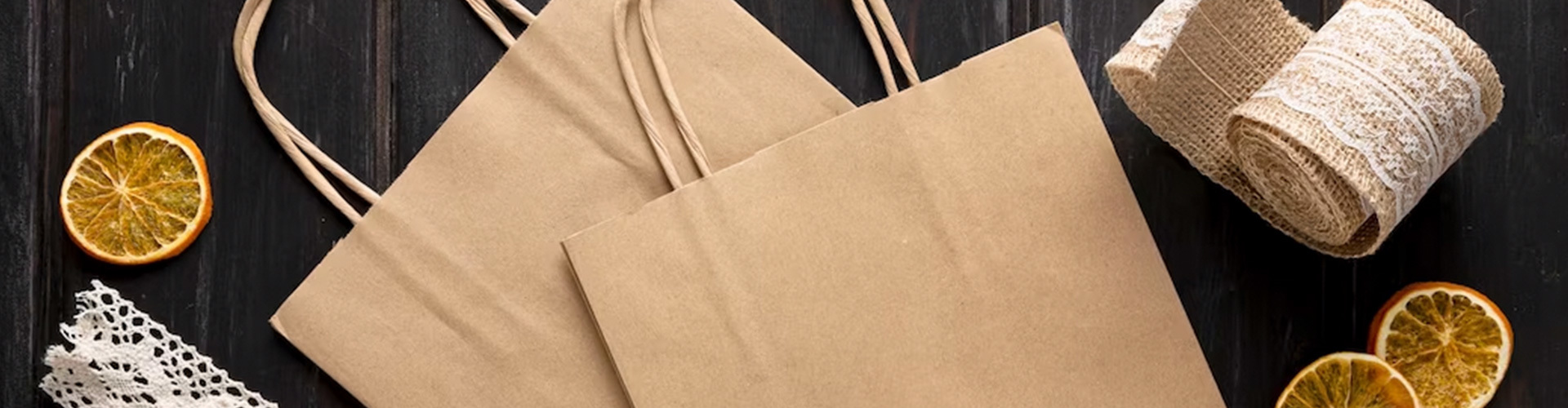
Are Brown Paper Bags Biodegradable? The Complete Sustainability Guide
2025-11-06
Introduction: The Truth About Paper Bag Sustainability
The simple brown paper bag has become an icon of eco-friendly packaging, but many consumers and businesses still wonder: Are brown paper bags truly biodegradable? The short answer is yes, but the complete picture is more nuanced. Understanding how paper bags break down, their compostability, and their overall environmental impact is crucial for making truly sustainable packaging choices. This comprehensive guide explores the science behind paper bag decomposition and provides practical advice for responsible disposal.
1. The Simple Answer: Yes, But With Important Qualifications
Why Brown Paper Bags Are Generally Biodegradable
Brown paper bags, typically made from kraft paper, are manufactured from wood pulp derived from trees. This natural cellulose-based material makes them inherently biodegradable. Unlike synthetic materials, microorganisms in the environment can recognize and break down the organic fibers.
The Key Factors That Affect Biodegradation:
Material Composition: Pure, uncoated brown paper bags decompose fastest
Environmental Conditions: Moisture, temperature, and oxygen availability significantly impact breakdown speed
Additives and Coatings: Some bags include plastic linings or chemical treatments that slow decomposition
2. Biodegradable vs. Compostable: Understanding the Difference
While all paper bags are biodegradable, not all are compostable. Here's the crucial distinction:
Biodegradable:
Breaks down naturally through microorganisms
Timeframe can vary from weeks to years
May leave behind trace elements
Requires no specific conditions
Compostable:
Breaks down into nutrient-rich compost (humus)
Specific timeframe (typically 90-180 days in commercial facilities)
Leaves no toxic residue
Requires proper composting conditions
Most standard brown paper bags are both biodegradable and compostable, making them an excellent choice for environmentally-conscious packaging solutions like custom takeaway bags and retail packaging.
3. Environmental Impact Comparison: Paper vs. Plastic
Paper Bags:
Biodegradable and compostable
Made from renewable resources
Higher production energy requirements
Heavier and bulkier for transportation
Recyclable multiple times
Plastic Bags:
Can take centuries to decompose
Made from non-renewable petroleum
Lower production energy
Lightweight and compact
Limited recycling effectiveness
4. How to Ensure Your Paper Bags Are Truly Eco-Friendly
Choose the Right Type:
Uncoated kraft paper bags: Ideal for composting and recycling
Recycled content bags: Reduce virgin material usage
FSC-certified paper: Ensures sustainable forestry practices
Water-based inks: Avoid heavy metal contaminants
Proper Disposal Methods:
Reuse as many times as possible first
Recycle with other paper products if clean and dry
Compost in home or commercial systems
Repurpose for crafts, storage, or organization
For Businesses:
Select custom kraft bags from responsible manufacturers
Educate customers about proper disposal
Consider bag reuse programs
Choose appropriate sizes to minimize waste
5. Common Misconceptions About Paper Bag Sustainability
Myth 1: "All paper bags are created equal"
Reality: Manufacturing processes, ink types, and coatings significantly impact environmental friendliness.
Myth 2: "Paper bags always break down in landfills"
Reality: Landfill conditions often prevent proper decomposition due to lack of oxygen.
Myth 3: "Paper bags have a smaller carbon footprint than plastic"
Reality: While better end-of-life, production can be more energy-intensive.
6.The Future of Sustainable Paper Bags
Innovation continues to improve paper bag sustainability:
Advanced recycling technologies making recycling more efficient
Water-resistant compostable coatings replacing plastic liners
Agricultural waste papers utilizing straw and other byproducts
Digital printing advancements reducing chemical usage
Closed-loop systems where manufacturers take back used bags
Conclusion: Making Informed Packaging Choices
Brown paper bags represent a significantly more sustainable option than plastic alternatives when properly sourced, used, and disposed of. Their biodegradable nature, combined with recyclability and compostability, makes them an environmentally responsible choice for businesses and consumers alike.
The key to maximizing their eco-benefits lies in:
Choosing high-quality, uncoated kraft paper bags
Implementing proper disposal practices
Supporting responsible manufacturing
By understanding the complete lifecycle of brown paper bags, we can make informed decisions that benefit both our businesses and the environment.

RELATED INFORMATION
Online Message
If you are interested in our products, please leave your email and we will contact you as soon as possible, thank you!

Green Environmental Protection
Zhejiang Bicheng New Material Co., Ltd.
Sales Manager: Emma Yang
WhatsApp: +86 17268535950
E-mailL:
Factory Address: No.1 Changxing Road, Xiaojiang Town, Pingyang County, Wenzhou City, Zhejiang Province (Daikou Industrial Zone)
Page Copyright 2023 Zhejiang Bicheng New Material Co., Ltd. 浙公网安备33032602100542号