
Why Food Packaging Matters More Than You Think
2025-12-25
In the world of food, where taste and quality are king, it's easy to view packaging as an afterthought—a mere container to get your product from point A to point B. This is a fundamental mistake. Food packaging is a critical, multi-faceted system that silently works to ensure safety, drive sales, and meet modern consumer expectations. It is the final and most tangible touchpoint you have with your customer, and its impact is more profound than most realize.
Why is packing so important?
1. Your packaging is the first and last line of defense for your product
Safety & Containment: It creates a physical barrier against contamination, dirt, moisture, and pests during transportation and on the shelf.
Freshness & Shelf Life: Effective packaging technology (like modified atmospheres or moisture barriers) slows spoilage, locks in flavor, and extends the life of your product, drastically reducing food waste.
2. The Silent Salesperson: Marketing & Branding Power
On a crowded shelf, your packaging has milliseconds to communicate.
The First Impression: Vibrant colors, compelling imagery, and clear messaging grab attention and convey your brand's story. Is it artisanal, healthy, fun, or premium? The packaging tells that story instantly.
Brand Trust & Recall: Consistent, high-quality packaging builds recognition and subconsciously signals product quality. A customer who trusts your packaging is more likely to trust what's inside.
The Unboxing Experience: For direct-to-consumer brands, the opening ritual is a powerful marketing moment. Thoughtful, attractive packaging can turn a simple delivery into a shareable social media event, building immense loyalty.
3. The Sustainability Statement: Meeting Consumer Demand
Today's consumers vote with their wallets for the planet.
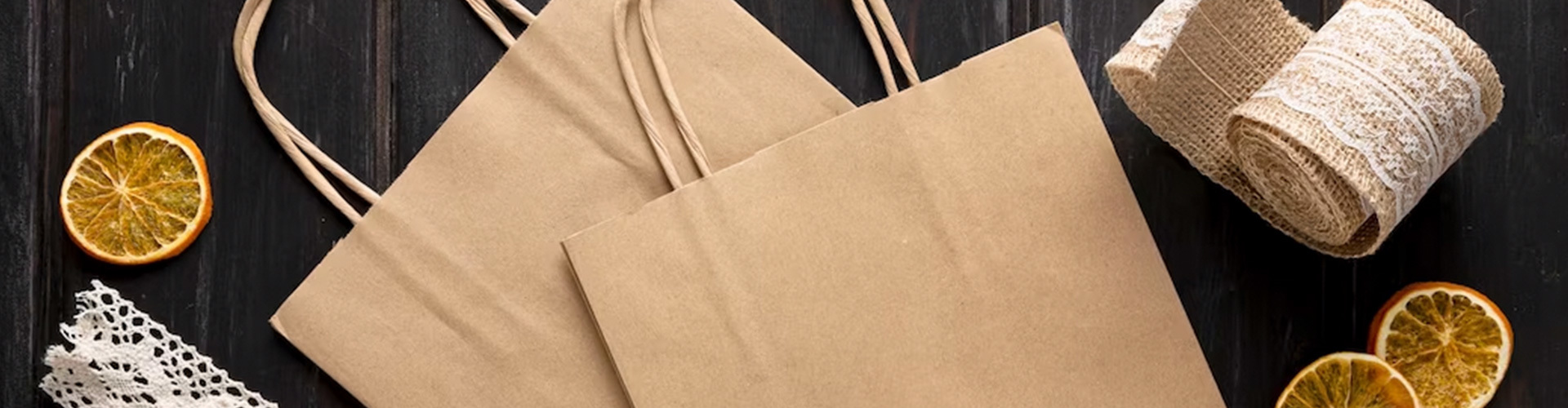
Eco-Conscious Choice: Packaging made from recyclable, compostable, or minimalist materials is a direct response to consumer values. Using kraft paper bags or recycled content powerfully communicates your brand's environmental commitment.
Waste Reduction: Efficient, right-sized packaging minimizes material use, while designs that protect food prevent the larger waste of spoiled products.
Common Food Packaging Types & Their Best Uses
Choosing the right type is half the battle. Here’s a breakdown of key players:
1. Folding Cartons & Paperboard Boxes
What they are: The classic boxes for cereals, snacks, frozen meals, and bakery items. Often made from solid bleached sulfate (SBS) board for excellent print quality.
Best for: Dry goods, frozen foods, and products requiring a structured, shelf-ready presence. Ideal for high-quality branding and graphics.
2. Food Paper Bags & Sacks
What they are: Versatile bags ranging from simple grease-resistant food paper bags for pastries to multi-walled sacks for flour or coffee.
Best for: Bakery items, loose produce (like apples or potatoes), grains, and takeaway goods. They offer a natural, often sustainable look with good breathability.
3. Custom Takeaway Bags & Carrier Bags
What they are: The branded bags customers carry out of your store or receive with delivery. These can range from simple handled bags to insulated delivery bags.
Best for: Restaurants, cafes, food delivery services, and retail food shops. Custom takeaway bags are mobile billboards and are crucial for brand visibility and customer convenience.
4. Flexible Pouches & Stand-Up Bags
What they are: Lightweight, often multi-layered plastic or foil pouches. They are highly efficient, using less material than rigid containers.
Best for: Snacks, sauces, dried fruits, and coffee. Excellent for products requiring a strong moisture or air barrier (like potato chips).
5. Corrugated Boxes (Shipping Cases)
What they are: The sturdy, fluted cardboard boxes used for shipping multiple units or protecting fragile items during transit.
Best for: E-commerce fulfillment, bulk shipping to retailers, and protecting glass jars or bottles. The workhorse of logistics.
6. Trays, Clamshells & Transparent Containers
What they are: Often made from clear plastic (PET, RPET) or molded fiber, these containers allow the product to be seen.
Best for: Fresh produce, meats, deli items, salads, and ready-to-eat meals. Consumers "eat with their eyes," and visibility builds trust in freshness.
Conclusion: Packaging is a Strategic Business Decision
Viewing food packaging as just a cost is a missed opportunity. It is a strategic investment in:
Product Integrity: Ensuring what you make arrives safely.
Brand Equity: Building a recognizable, trusted identity.
Customer Satisfaction: Creating a positive end-to-end experience.
Market Relevance: Aligning with sustainability and consumer trends.
From the custom takeaway bag that walks your brand down the street to the food paper bag that keeps a croissant fresh, every choice matters. Your packaging is an essential partner in your product's success—choose and design it wisely.
Ready to make your packaging work as hard as your product? Get in touch with Zhejiang Bicheng New Material Co,.Ltd.to explore packaging solutions that protect, promote, and reflect your brand's true value.

RELATED INFORMATION
Online Message
If you are interested in our products, please leave your email and we will contact you as soon as possible, thank you!

Green Environmental Protection
Zhejiang Bicheng New Material Co., Ltd.
Sales Manager: Emma Yang
WhatsApp: +86 17268535950
E-mailL:
Factory Address: No.1 Changxing Road, Xiaojiang Town, Pingyang County, Wenzhou City, Zhejiang Province (Daikou Industrial Zone)
Page Copyright 2023 Zhejiang Bicheng New Material Co., Ltd. 浙公网安备33032602100542号