
How to choose packaging bags for takeout food?
2025-06-10
The food delivery industry has experienced explosive growth in recent years, reaching unprecedented heights during the COVID-19. In 2020 alone, the sector's total market value soared to ¥835.2 billion, reflecting a 14.8% year-on-year increase. What began as fragmented, small-scale operations has now matured into a structured ecosystem dominated by corporate chains and quality-driven brands.
Unlike traditional dine-in services, food delivery operates in a more "virtual" space, with limited customer touchpoints: food quality, digital storefronts, and packaging. The industry faces a unique challenge—high replicability of menu items. A popular dish can be copied overnight by competitors under new branding, often siphoning off hard-earned traffic during new store promotions.
To combat homogeneity, savvy operators are investing heavily in packaging differentiation, particularly in carrier bags that form the first physical interaction with customers. From rudimentary plastic bags, packaging has evolved into a sophisticated medium—featuring diverse materials, functional designs, and even artistic expressions. However, rapid industry expansion has attracted regulatory scrutiny, such as China's plastic restriction policies, injecting uncertainty into future packaging trends.
Mainstream Takeout Bag Solutions
1. Non-Woven Fabric Bags
Quality Assessment:
- Surface Inspection: High-quality bags exhibit a glossy finish with minimal loose fibers; dull or fuzzy surfaces indicate recycled materials.
- Combustion Test: Premium bags leave smooth, minimal residue when burned, while substandard versions produce gritty ash.
- UV Stress Test: Inferior bags degrade within days under sunlight, becoming brittle like paper.
- Uniformity Check: Hold 2-meter samples to light to detect flaws (e.g., broken fibers, lumps) and assess evenness via light permeability.
Functional Advantages:
- Structural Rigidity: Accommodates multi-item orders with compartmentalized box arrangements.
- Branding Canvas: Flat surfaces maximize design visibility, reinforcing brand identity from afar.
- Eco-Secondary Marketing: Reusability extends brand exposure while reducing waste.
- Trade-off: Higher costs make them viable primarily for premium-priced establishments.
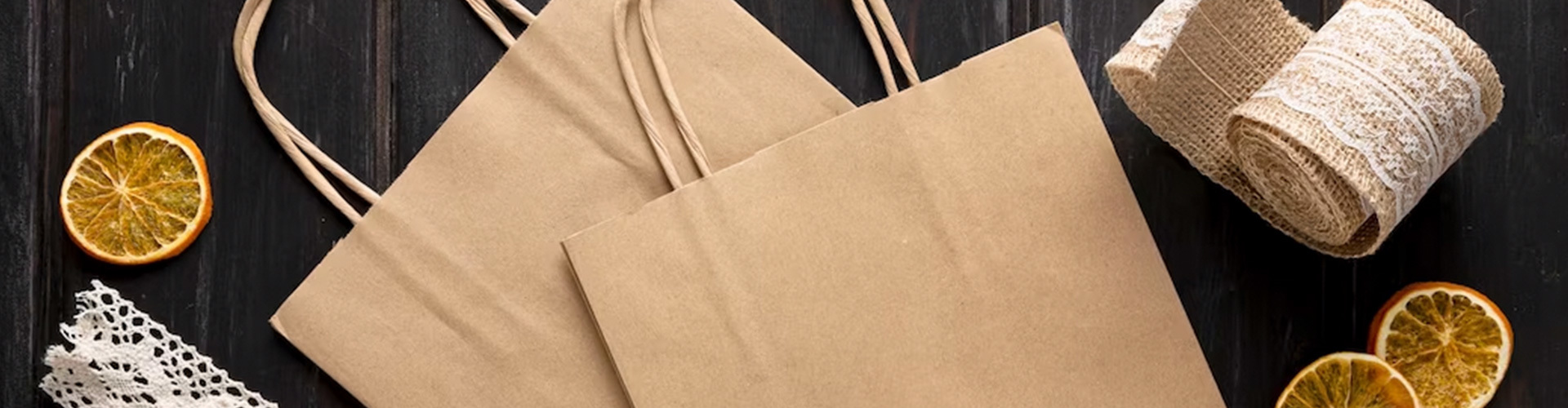
2. Paper Packaging Bags
A staple for Western-style brands, paper bags leverage eco-traditional appeal. Common variants include:
- Kraft paper (brown/white)
- Egg carton/recycled paper (price varies by thickness/size).
Brand Potential:
- Innovators like LELECHA transform paper bags into luxury-branded collectibles.
- Material Versatility: Beyond bags, paper folds into boxes/trays, enabling creative structural designs.
Operational Pitfalls:
- Weight Limits: Overloading risks handle snaps or bottom blowouts.
- Weather Woes: Rain induces rapid structural failure during delivery.
- Liquid Incompatibility: Soups/spills compromise integrity, restricting use for liquid-heavy cuisines.
Industry Outlook:
While non-woven bags lead in durability/branding, paper solutions cater to sustainability narratives—each facing distinct trade-offs. Regulatory shifts (e.g., plastic bans) will accelerate material innovation, compelling brands to balance functionality, cost, and compliance in the packaging arms race.

RELATED INFORMATION
Online Message
If you are interested in our products, please leave your email and we will contact you as soon as possible, thank you!

Green Environmental Protection
Zhejiang Bicheng New Material Co., Ltd.
Sales Manager: Emma Yang
WhatsApp: +86 17268535950
E-mailL:
Factory Address: No.1 Changxing Road, Xiaojiang Town, Pingyang County, Wenzhou City, Zhejiang Province (Daikou Industrial Zone)
Page Copyright 2023 Zhejiang Bicheng New Material Co., Ltd. 浙公网安备33032602100542号